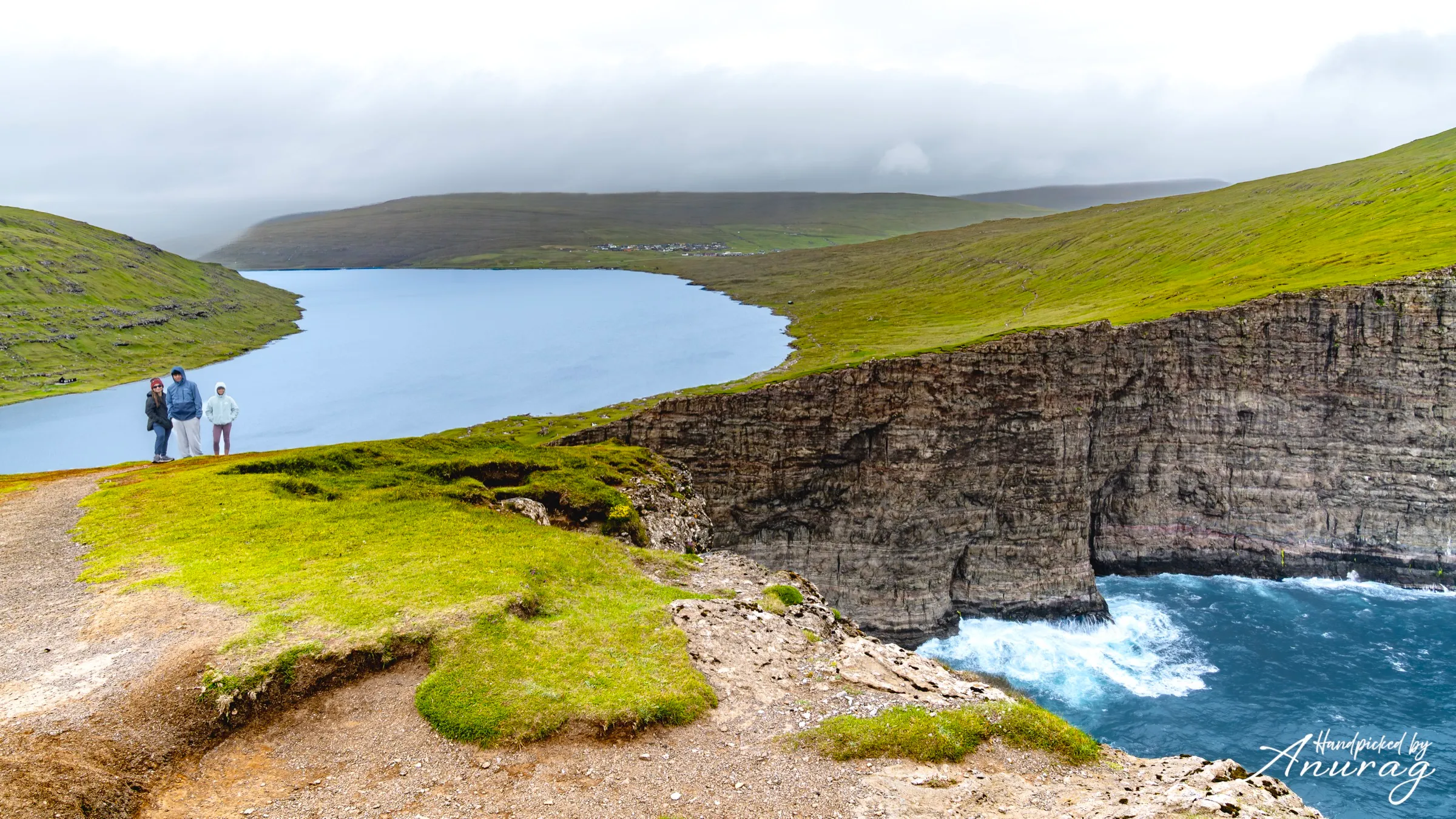
A day hike that punches well above its distance. On acclimatisation, the strange colour of glacial lakes, and knowing when to turn around.
Nobody warns you that the hard part of a glacial lake hike isn’t the distance. It’s the altitude — and the way your lungs quietly renegotiate the deal somewhere past 2,400 metres.
Why the water is that green
It looks edited. It isn’t. Glacial lakes get their unreal turquoise from rock flour — silt so fine the glacier has literally ground stone into powder. Suspended in meltwater, it scatters light toward the green-blue end of the spectrum. The brighter the day, the more absurd the colour.
You spend the whole climb looking down at your boots. Then you look up, and the lake looks fake, and the climb stops mattering.
Reading your own limits
This is a hike where turning around is a skill, not a failure. A few honest markers:
- Acclimatise first. Spend a night high before you climb higher. Your body needs the notice.
- Watch your pace, not the clock. If you can’t hold a conversation, you’re going too fast for the air.
- Set a turnaround time and keep it. The lake will be there next year. Weather at altitude will not negotiate.
The kit that mattered
- Trekking poles — the descent is brutal on the knees.
- A litre more water than seems reasonable; altitude dehydrates you fast.
- A warm layer, even in summer. The wind off the ice doesn’t care what month it is.
We ate lunch on a flat rock at the water’s edge, said almost nothing, and started down before the afternoon cloud built. That’s the rhythm of a good mountain day: earn the view, sit in it, leave while it’s still a good idea.
Where it is
Live prices near Bernese Oberland, Switzerland
Set your dates and who's coming — we'll pull live availability for your trip. Built for families; independent stays first wherever we can.
Show live prices on the map
Loads Stay22 — hotels, rentals & more near Bernese Oberland, Switzerland
Some links here are affiliate links — if you book through them we may earn a small commission at no extra cost to you. We only point you to places we'd send our own family. Details.
From the trip
6 photosComments coming soon
Enable GitHub Discussions and add your Giscus IDs insrc/consts.ts to turn on reader comments.